Anonymous Memory
 Anonymous Memory - Lost and Found
Overview
The anonymous memory layer manages physical pages that have no permanent identity in the file system. This includes stack pages, heap allocations, and copy-on-write pages created during fork(). Anonymous pages use swap space for backing storage and are discarded when all references are removed.
Anon Structure
The core data structure is the anon struct defined in anon.h:
struct anon {
    int an_refcnt;
    union {
        struct page *an_page;    /* hint to the real page */
        struct anon *an_next;    /* free list pointer */
    } un;
    struct anon *an_bap;         /* pointer to real anon */
    short an_flag;               /* ALOCKED, AWANT */
    short an_use;                /* for debugging */
};
The reference count enables copy-on-write optimization after fork(). When multiple processes share the same physical page, the an_refcnt tracks how many references exist. The an_page field provides a hint to locate the page without hash table lookup.
Reservation and Allocation
Anonymous memory requires explicit reservation before use. The anon_resv() function (vm_anon.c:124) checks available swap space:
int
anon_resv(size)
    u_int size;
{
    register int pages = btopr(size);

    if (availsmem - pages < tune.t_minasmem) {
        nomemmsg("anon_resv", pages, 0, 0);
        return 0;
    }

    if (anoninfo.ani_resv + pages > anoninfo.ani_max) {
        return 0;
    }
    anoninfo.ani_resv += pages;
    availsmem -= pages;
    return (1);
}
Reservation ensures the system won’t over-commit swap space. The anoninfo structure tracks maximum, free, and reserved anonymous pages globally.
Anon Allocation
The anon_alloc() function (vm_anon.c:161) allocates an anon slot:
struct anon *
anon_alloc()
{
    register struct anon *ap;

    mon_enter(&anon_lock);
    ap = swap_alloc();
    if (ap != NULL) {
        anoninfo.ani_free--;
        ap->an_refcnt = 1;
        ap->un.an_page = NULL;
        ap->an_flag = ALOCKED;
    }
    mon_exit(&anon_lock);
    return (ap);
}
The function delegates to swap_alloc() to obtain an anon structure from the swap layer. Initial reference count is 1, and the slot is locked to prevent concurrent access.
Reference Counting
The anon_decref() function (vm_anon.c:208) handles reference count decrements:
STATIC void
anon_decref(ap)
    register struct anon *ap;
{
    register page_t *pp;
    struct vnode *vp;
    u_int off;

    if (ap->an_refcnt == 1) {
        swap_xlate(ap, &vp, &off);
        pp = page_find(vp, off);

        if (pp != NULL) {
            if (pp->p_intrans == 0)
                page_abort(pp);
        }
        ap->an_refcnt--;
        mon_enter(&anon_lock);
        swap_free(ap);
        anoninfo.ani_free++;
        mon_exit(&anon_lock);
    } else {
        ap->an_refcnt--;
    }
}
When the reference count reaches zero, the function frees the associated page and returns the anon slot to the swap layer. The page_abort() call removes the vnode association and returns the page to the free list.
Copy-on-Write Optimization
Anonymous memory provides critical support for efficient fork() through copy-on-write. When a process forks, child and parent initially share the same physical pages with incremented reference counts. Only when one process writes to a shared page does the system create a private copy. This optimization significantly reduces fork() overhead and memory consumption.
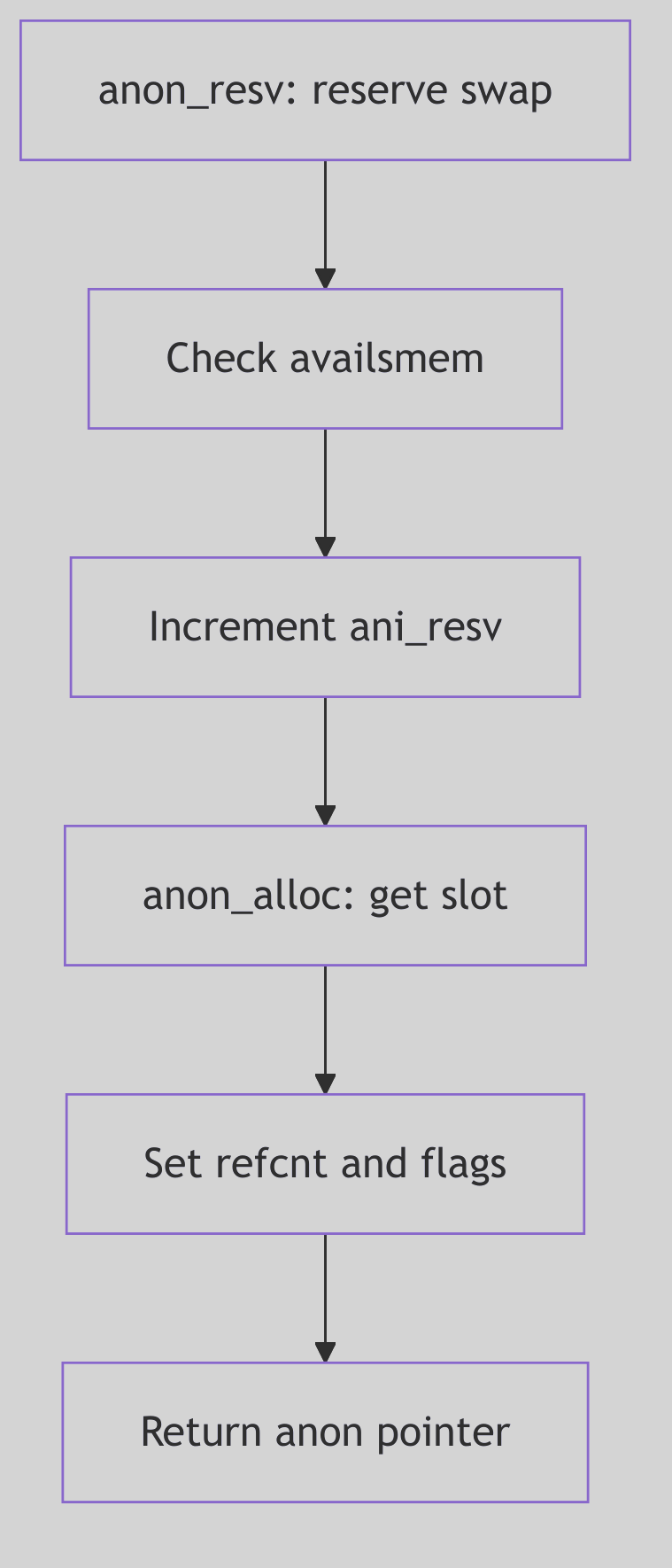 Figure 2.5.1: Anonymous Memory Operations